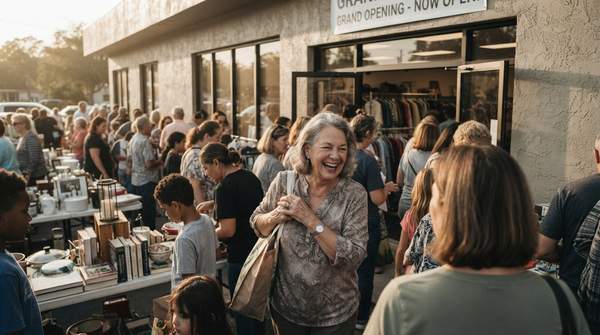
For many Sacramento artisans, the weekend craft fair is a familiar grind. You pack your inventory, set up a booth before dawn, handle sales in whatever weather the day brings, and break it all down hours later, never knowing if the sales will justify the effort.
The dream of selling crafts in Sacramento often runs up against the hard reality of these temporary, high-effort events. It makes you wonder if the fleeting exposure is a sustainable way to build a business, or if there's a more stable path to growth.
A different approach is emerging with the permanent vendor marketplace. Take Bliss Marketplace, for example. It offers a solution built on consistency and community, a world away from the pop-up model.
Is a Marketplace More Profitable Than a Temporary Craft Fair?
For any handmade goods vendor, profitability comes down to a simple equation: revenue minus costs and effort. A great day at a major event like the Crocker Holiday Artisan Market can bring in a lot of cash, but those windfalls are unpredictable.
The costs, however, are not. With an average booth fee for a craft fair sitting at $271, and even higher costs for premium Sacramento events, all your financial risk gets concentrated into a single weekend. One spell of bad weather, a day of low attendance, or a bad booth location can wipe out your profits in an instant.
A permanent vendor marketplace like Bliss Marketplace completely changes that financial equation. Vendors invest in a consistent retail presence. Their products are on sale seven days a week inside a climate-controlled, professionally staffed shop. This model turns unpredictable sales spikes into a more reliable stream of income.
The vendor fees, which can vary, cover more than just physical space. They include utilities, point-of-sale systems, staffing, and a spot in the marketplace's ongoing marketing. It allows a vendor to shift their focus from event logistics to what matters: creating products and managing inventory, which is a much more scalable way to grow a business.
How a Marketplace Solves the Biggest Craft Fair Headaches
The operational hurdles of selling at craft fairs can stop a small business from ever really growing. A permanent retail space is the direct answer to these headaches. For many people who want to sell handmade items locally, overcoming these challenges is the key to turning a passion into a profession.
- Inconsistent Foot Traffic: A craft fair's success hinges on good promotion, good weather, and a lack of competing events. By operating in established retail locations in Roseville, Midtown Sacramento, and Rancho Cordova, Bliss Marketplace captures consistent, daily foot traffic from people who are already out shopping.
- Operational Burnout: The sheer physical labor of hauling inventory, setting up a booth, and tearing it all down again is exhausting. With a permanent booth, you set it up once and then just restock and refresh as needed. This frees up an incredible amount of time for artisans to get back to creating.
- Lack of Business Support: When you're at a craft fair, you're on your own. Bliss Marketplace acts more like a small business incubator, giving vendors a supportive community with marketing resources, events, and even advice on booth staging.
- Limited Sales Window: Most fairs only last a few hours. A marketplace sells your products all day, every day it's open, maximizing your chance for a sale without you needing to be there for every single one.
Bliss Marketplace vs. Craft Fairs: A Head-to-Head Look
If you're weighing your options for how to sell crafts in Sacramento, looking at the two models side-by-side shows just how different they are. The path you choose affects everything from your daily schedule to your ability to build a brand long-term.
- Sales Environment: Craft fairs are temporary by nature, often outdoors and at the mercy of the weather and event turnout. In contrast, Bliss Marketplace is a permanent, indoor retail store that's professionally managed and has consistent hours.
- Time Commitment: At a craft fair, you have to be there the entire time, managing your booth and processing every sale. At Bliss Marketplace, a professional staff handles all the customer interactions and transactions, so your products can sell even when you're not there.
- Business Support: A traditional fair gives you a patch of ground and access to shoppers, but that's about it. Bliss Marketplace provides a whole support system, from marketing and vendor training to a built-in community of fellow makers.
- Cost Structure: With craft fairs, you're paying booth fees over and over for each event. The Bliss Marketplace model is based on rent or commission, which is more like a continuous investment in a stable retail spot, almost like having a small shop without all the overhead.
Why Shoppers Are Choosing Local and Handmade
The marketplace model isn't just better for vendors; it's also perfectly timed with major shifts in how people shop. Today's consumers are actively looking for authentic, local, and sustainable products.
This creates a huge opportunity for venues that bring these kinds of items together. With the global handicrafts industry poised for major growth, a few key trends show why a vendor marketplace in Sacramento is set up for success.
There's a powerful and growing desire to support local businesses, a trend some call "hyper-localism," where people want to invest in their own communities. Sustainability is also a huge factor.
Shoppers are also looking for a "phygital" experience, something that blends the ease of online discovery with the satisfaction of an in-person find. Bliss Marketplace delivers on this by letting customers see, touch, and connect with unique items that have a story.
Is a Marketplace Like Bliss the Right Fit for You?
While the marketplace model isn't a perfect fit for every maker, it can be a game-changer for the right kind of entrepreneur. The ideal vendor for Bliss Marketplace is a local artisan or collector who has honed their craft and is ready to move beyond the hobbyist stage. They're often feeling stuck, either by the limits of selling only online or by the exhausting cycle of pop-up shops and craft fairs.
These are the small businesses looking to establish a real physical presence without taking on the huge financial risk and headache of opening their own standalone store. They're people who value community and are excited by the idea of sharing knowledge and support with other local makers.
Final Thoughts
An artisan trying to sell their work in the Sacramento area has a few different paths they can take. The options range from national online platforms and temporary local events to permanent multi-vendor shops. While online marketplaces have a global reach, they're also incredibly crowded, making it tough for a local seller to get noticed.
This is where Bliss Marketplace has found its sweet spot. By offering permanent physical storefronts, it combines the stability of a traditional retail shop with the unique, curated feel of a maker market. Its locations across the region, from Rancho Cordova to Roseville, give vendors access to a wide range of customers.
Its continued growth is a clear sign of the strength and demand for this hybrid retail model. For creators who want a sustainable platform to build a business, not just a place to sell for a day, it's a powerful alternative.