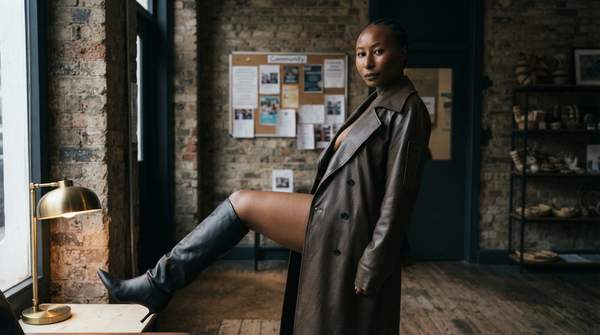
Local fashion events generally fall into three common formats: trunk shows, pop-up shops, and fashion week runway shows. Each serves a different purpose. Trunk shows offer intimate previews of new collections, pop-up shops create temporary retail experiences, and fashion week shows provide large-scale exposure. Choosing the right one depends on whether you want to shop for unique pieces, meet designers face to face, or showcase your own work.
Understanding Local Fashion Events: A Comparative Guide
Pop-up retail has become an option for a huge variety of sectors, and fashion is no exception. According to Storefront, a marketplace for temporary retail space, pop-ups are used by everyone from large high street brands to independent designers and local brands. The same source notes that the wording people use for pop-ups usually signals the scale they have in mind rather than a different kind of event: a pop-up is simply a brand opening in a space where it does not normally trade, for a defined period, then closing.
Trunk shows are a different animal. The name comes from the historical practice of transporting merchandise to these events in trunks. Unlike a pop-up, which is open to whoever walks by, a trunk show may be open to the general public or confined to special customers or a mailing list, as described in the widely used encyclopedia definition of the format.
Trunk Shows: Intimate Previews and Direct Engagement
A trunk show is a temporary event, usually lasting one to two days, hosted at a retail location such as a boutique or independent practice. The View Eyewear, a brand that runs these events, describes the typical setup: a brand sends a representative — sometimes the designer themselves, sometimes an ambassador or sales director — along with an expanded collection that goes well beyond what the store normally stocks.
Attendees view the merchandise, place orders, and then wait for the vendor to manufacture and deliver the goods. Prototypes, samples, and leftover items from runway shows are sometimes offered. For shoppers, this means access to pieces before a broader public release, plus the chance to talk directly with the people behind the designs.
For designers, the format is a way to get your brand in front of the customers most likely to fall in love with your styles, as the fashion industry resource StartUp FASHION puts it. These events let specific customers and in-store personnel preview the latest designs and make purchasing decisions before a wider release.
Pop-Up Shops: Temporary Experiences and Brand Building
Pop-up shops are temporary retail spaces that can vary widely in size and location, from small storefronts to dedicated event spaces. Storefront describes them as opportunities for product launches, test events, and brand building exercises. A brand takes physical space it does not normally trade in, opens for a defined period, and then closes.
For attendees, pop-ups offer the appeal of a short-term experience: discovering new brands or products that may not be available anywhere else locally. For designers, the format allows direct selling to consumers, testing new products or markets, and gathering insight into customer preferences and buying habits before committing to permanent retail space.
Local Fashion Event Comparison
The table below compares the three formats across consistent attributes, so you can match the event type to your objective — shopping for unique pieces, meeting designers, or finding a platform for a new collection.
| Event Type | Primary Goal | Typical Scale & Venue | Audience Focus | Opportunity for Designers |
|---|---|---|---|---|
| Trunk Show | Introduce new collections, deepen customer relationships, and take direct orders or pre-orders — often for items not yet publicly available. | Temporary, exclusive event lasting one to two days, typically hosted in-store at a boutique or independent retail practice; the designer or a representative is often present. | Specific customers, in-store personnel, and those interested in previewing designs before a broader release; may be limited to a mailing list. | Present the full collection directly to customers, take orders, gain immediate feedback, and build retail partnerships. |
| Pop-Up Shop | Connect with customers in a unique way, launch products, conduct market research, and reinforce brand messaging through short-term experiences. | Temporary retail space that varies in size and location, from small storefronts to dedicated event spaces, for a limited duration. | Potential customers seeking unique short-term experiences and those interested in discovering new brands. | Sell directly to consumers, test new products or markets, gather customer insights, and build brand awareness. |
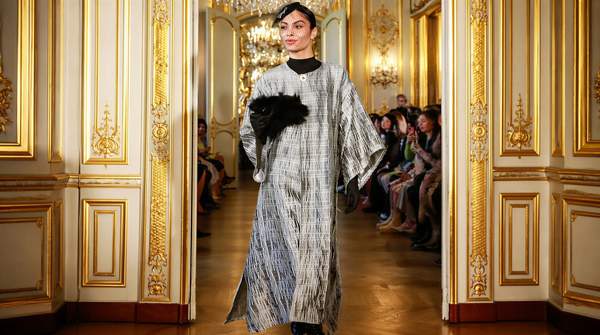
| Local Fashion Week/Show | Showcase collections to a broad audience and gain community exposure. | Larger-scale, organized runway presentations, typically scheduled as part of a multi-day local program. | General fashion-interested public, press, and industry attendees. | Runway exposure for a new collection in front of a wide local audience. |
Getting Involved: Opportunities for Designers and Attendees
For designers, each format plays a different strategic role. A trunk show suits testing a retail partnership: the trunk show advice published by Artsy Shark suggests designers and stores work out a split on the price, and that artists may be interested if their merchandise fits the store. A pop-up suits direct-to-consumer selling and market testing. A local fashion week show suits collection launches that need broad exposure.
For attendees, engagement looks different at each event. At a trunk show, expect conversation with a brand representative and the option to order pieces made after the event. At a pop-up, expect a browsing-and-buying experience in a temporary space. At a fashion week show, expect a scheduled presentation and, often, related events around it.
This is a general guide to common formats — it does not cover specific upcoming events, application forms, or deadlines, which vary by organizer.
Choosing Your Path in the Local Fashion Scene
To effectively engage with local fashion events, individuals should align their goals — shopping, networking, showcasing designs — with the distinct format and opportunities offered by trunk shows, pop-up shops, or local fashion weeks. A shopper who wants to meet designers should look for trunk shows; a designer who wants direct sales data should consider a pop-up; a designer seeking broad exposure should pursue local fashion week participation. The measurable indicator of success is increased participation in local fashion events by both attendees and designers, indicated by event attendance figures, designer applications, and community feedback.
Sources
- What Is a Pop-Up Shop? Definition, Costs & How It Works | — Storefront
- Trunk show - Wikipedia — EN
- The Art of the Trunk Show: Why These Events Matter — Vieweyewear
- 5 Trunk Show Ideas for Fashion Designers – StartUp FASHION — Startupfashion
- 10 Ways to Plan a Successful Trunk Show — Artsy Shark