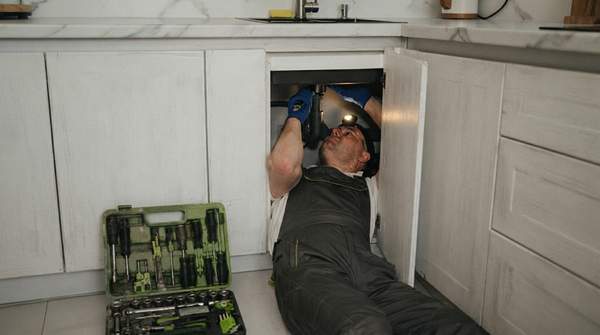
Selecting a local home repair service requires careful consideration to ensure quality workmanship and transparent practices. Homeowners can confidently evaluate and choose a trustworthy service by focusing on five critical factors: verifying licensing and certification, confirming adequate insurance coverage, checking references and online reviews, demanding transparent pricing and detailed estimates, and understanding warranties and guarantees. Thorough vetting helps protect against potential financial and legal risks, ensuring a successful project outcome.
Introduction: Why Vetting Your Home Repair Service Matters
Embarking on a home repair or improvement project can be an exciting prospect, but the initial step of choosing the right service provider is crucial. Without proper vetting, homeowners may face significant risks, including faulty work, unexpected costs, and potential legal liabilities. A comprehensive evaluation process helps ensure that the chosen professional possesses the necessary qualifications, operates with integrity, and stands behind their work.
According to Travelers, a critical first step in planning any home renovation is to vet the quality of a contractor's work in advance, clearly define the scope of work in writing, and confirm that the contractor is properly licensed and insured. This proactive approach is essential for safeguarding your investment and peace of mind throughout the project.
Factor 1: Verify Licensing and Certification
Licensing and certification are fundamental indicators that a home repair service meets professional standards and legal requirements. These credentials demonstrate that a contractor has passed specific examinations, met experience thresholds, and is authorized to perform work in a particular trade or jurisdiction. Requirements for licensing can vary significantly by trade, such as electrical, plumbing, or HVAC, and by local or state regulations.
Hiring an unlicensed contractor can expose homeowners to substantial financial and legal risks. For instance, Florida law prohibits individuals from acting as contractors without the required certification or registration, and contracts with unlicensed contractors may be unenforceable by the contractor. Furthermore, an unlicensed contractor's faulty work could void your ability to make claims on your homeowner's insurance if damage occurs, as noted by CIBinsure.com.
To verify a contractor's licensing status, homeowners should inquire if the contractor is licensed and insured, especially for specialized trades. It is advisable to check with the Consumer Affairs Office in your state or county to confirm the validity of their license. This step helps ensure that the professional is accountable to regulatory bodies and adheres to established industry standards.