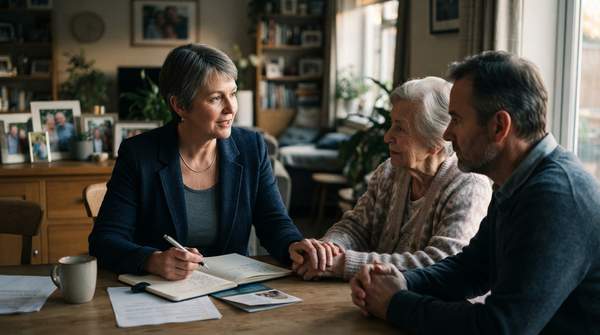
An elder care consultant is a knowledgeable guide who helps families evaluate senior care options and make well-informed choices, taking a holistic approach rather than focusing on a single aspect of a senior's health. The strongest signal that your family might benefit from one is a combination of three challenges: living far from your loved one, not knowing what care options exist or what questions to ask, and feeling overwhelmed by the emotional and logistical weight of caregiving. Below is a practical framework for matching your situation to what these consultants actually do.
Understanding the Elder Care Consultant's Role
At its core, the role is about guidance and coordination. According to Senior Care Referral Specialists, a consultant is "a highly knowledgeable guide who helps families evaluate senior living options and make well-informed choices," covering everything from in-home care and assisted living to memory care and independent living. They help families understand unique health conditions and the specific services and atmospheres of different care settings.
The day-to-day work is broad. Charter Oak Home Care describes consultants who help schedule appointments, arrange transportation, and monitor a senior's progress. Interim Healthcare adds that they act as advocates for seniors, ensuring voices are heard and rights are protected, and provide emotional support to families navigating the challenges of caregiving. Maryville University's career overview frames them as facilitators who draw on knowledge of the healthcare system to help clients find nursing homes or assisted living communities, set care budgets, and choose appropriate healthcare providers.
Elder Care Consultant vs. Other Senior Support Services
Families often confuse consultants with other professionals in the senior care space, and the differences matter when you're deciding what to pay for.
| Professional | What they do | Key distinction |
|---|---|---|
| Elder care consultant (geriatric care manager) | Holistic guidance: assessing needs, exploring care settings, coordinating services, advocacy | Plans and coordinates care but does not deliver it directly |
| Senior living advisor | Matches individuals with senior living communities | Often paid by facilities, which may influence recommendations |
| Home care agency | Provides direct, hands-on care services | Delivers the care a consultant arranges |
| Elder law attorney | Legal services: estate planning, wills, guardianship | Consultants coordinate with these professionals but don't offer legal counsel |
The consultant's defining feature is independence and breadth. Senior Care Referral Specialists notes that senior living advisors typically focus on placement and often receive payment from facilities, whereas a consultant's value comes from coordinating across the whole picture—health, safety, and the legal and financial foundations of future stability, as Feinberg Consulting puts it.