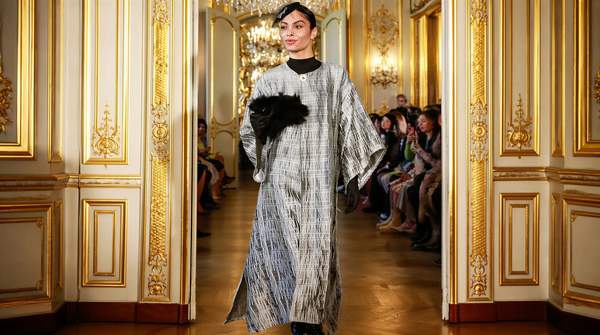
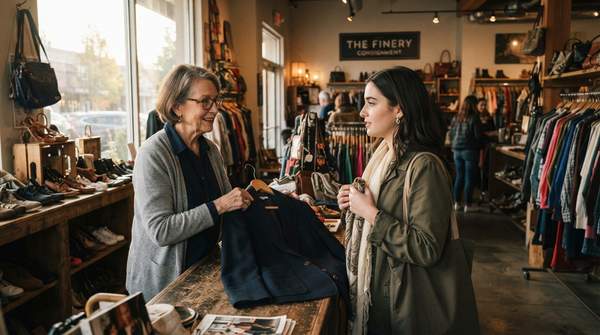
A small fashion collective in London's Shoreditch, operating out of a converted warehouse, generated enough local buzz to increase surrounding property values by 15% in three years. The unintended consequence? Some of its own members were priced out. This isn't just an isolated incident; it's a critical paradox where local creative talent inadvertently triggers economic shifts that threaten its own existence.
Local designers are powerful engines of cultural and economic revitalization, yet they frequently become victims of the gentrification they help initiate. Neighborhoods with many independent boutiques see 20% higher pedestrian traffic than those with chain stores, reports the Urban Retail Association. Globally, local fashion markets are projected to grow 7% annually, significantly outpacing mass-market apparel's 2% growth, according to Global Fashion Insights. The projected 7% annual growth of local fashion markets clearly shows their substantial economic power.
Without targeted policies and community support, the very forces local fashion designers unleash could diminish their presence and the unique character they cultivate. The Shoreditch story is a stark warning: cities celebrating local designers for culture, but failing to provide affordable space, risk cultural homogenization.
More Than Just Clothes: Defining Local Fashion's Reach
Local fashion designers are community hubs, hosting workshops, pop-ups, and cultural events that draw diverse crowds, according to a Neighborhood Arts Council Report. Their pieces often incorporate unique cultural narratives or sustainable practices, resonating deeply with community values, as highlighted by the Ethical Fashion Review. Their activities as community hubs and their unique cultural narratives or sustainable practices make them integral to a community's social fabric, far beyond just creating apparel.
These designers also boost regional supply chains; 70% source materials or labor within a 50-mile radius, reports the Local Business Alliance. The 70% local sourcing of materials or labor directly strengthens regional economies. Ultimately, local fashion designers are not just retailers; they are cultural curators and economic connectors, deeply embedded in their community's fabric, fostering a unique sense of place and economic resilience.
The Tangible Impact: From Foot Traffic to Cultural Capital
Local fashion acts as a powerful magnet, drawing both visitors and investment. In Portland, Oregon, districts with independent fashion boutiques report 25% higher tourism-related spending compared to areas without, according to the City Tourism Board. This attraction extends beyond tourism; a study of 15 revitalized urban areas found local design studios were a leading indicator for attracting other creative businesses, such as art galleries and specialty cafes, states the Urban Planning Journal. The 25% higher tourism-related spending and the attraction of other creative businesses mean local fashion doesn't just draw people; it sparks a broader creative ecosystem.
The economic ripple effect is clear. Property values in established 'fashion districts' driven by local designers increased by an average of 12% over five years, outperforming city-wide averages by 5%, reports a Real Estate Analytics Firm. Furthermore, local fashion events, like independent fashion weeks, generate an average of $500,000 in direct economic activity for host neighborhoods, according to an Event Impact Study from 2023. These designers are cultural anchors, creating a unique sense of place that attracts investment and visitors, driving significant economic uplift.
Why Local Design is Critical in a Globalized World
Fast fashion and e-commerce have led to a 30% decline in unique retail identities in urban centers over the last decade, reports the Retail Trends Institute. The 30% decline in unique retail identities threatens neighborhood character. Local fashion designers offer an authentic alternative to global brands, fostering the community pride and distinctiveness residents actively seek, according to a Consumer Preference Survey. They are essential for preserving local flavor.
Investing in local creative industries like fashion design also diversifies economies, making them more resilient to external shocks, states the Economic Development Review. Companies and investors flocking to 'trendy' neighborhoods often benefit from a temporary cultural arbitrage, built on the backs of creatives who become unsustainable in the very environments they helped create. In an era of increasing sameness, local fashion designers are crucial bulwarks against cultural erosion, offering authenticity and economic resilience.
Common Questions About Local Fashion's Role
How do local designers contribute to a city's culture?
Local designers often influence broader trends and cultural movements that eventually trickle up to larger brands, according to a Fashion Forecasting Agency. They foster unique aesthetic identities specific to their locales, defining a city's overall cultural vibe. Their unique aesthetic identities, which define a city's overall cultural vibe, attract creative talent and diverse populations, enriching the cultural fabric.
What is the economic impact of small fashion businesses?
While individual designers may have smaller revenues, their collective impact on local employment is significant, often through apprenticeships and collaborations, states the Small Business Administration. These businesses keep capital circulating within the community, supporting other local ventures like material suppliers and event organizers. Their significant collective impact on local employment and their role in keeping capital circulating within the community create a multiplier effect that strengthens the local economy.
Can fashion create a sense of place in a community?
Fashion directly reflects and shapes neighborhood identities, creating a sense of place, as discussed in "Visualizing and Communicating Neighborhood Identities." Local designers often draw inspiration from their surroundings, creating styles synonymous with a particular area. This visual identity helps residents and visitors connect with the community's unique spirit and history.
The Future of Neighborhood Identity Rests on Local Threads
Cities supporting local fashion through 'creative district' initiatives have seen a 10% increase in young professional retention, according to an Urban Policy Think Tank. Community-led programs, like grants and mentorship, are proving effective in mitigating gentrification's displacement, reports the Community Development Fund. The long-term economic and cultural benefits of a thriving local fashion scene far outweigh the initial investment, states an Economic Impact Analysis. To preserve unique neighborhood character and economic vibrancy, active and sustained support for local fashion designers is essential. By 2026, cities like St. Louis, with reviving downtown garment districts, will likely need robust programs to protect their burgeoning creative communities from rising costs, according to the St. Louis Development Corporation. Without such foresight, these vibrant spaces risk becoming victims of their own success.