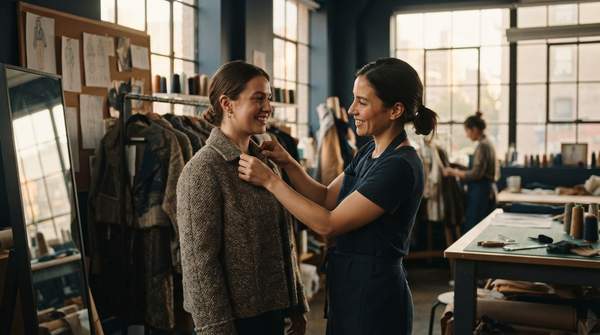
Supporting local fashion designers comes down to three kinds of action: finding them, buying from them, and promoting them. You can discover independent creators at markets, boutiques, and fashion events in your area, or on platforms like Instagram, TikTok, and Pinterest, according to guidance from fashion retailers and community business advocates. From there, direct purchases and non-monetary support—reviews, social media shares, and event attendance—each play a distinct role in sustaining these businesses. This guide organizes those actions into a framework you can adapt to your budget and level of commitment.
The Value of Local Fashion: More Than Just Clothing
The case for buying locally made apparel rests on three main benefits. Economically, supporting small local shops helps create and sustain jobs, stimulate entrepreneurship, and keep money circulating within the community, as economic development consultants at Camoin Associates describe in their analysis of local niche shops. Those shops often carry items that reflect the diverse cultural background of a community, including clothing and crafts from local artisans.
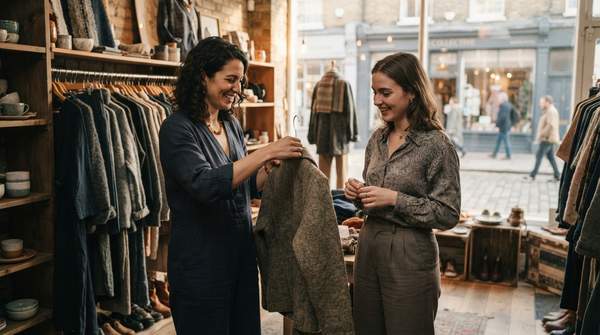
On quality, locally made clothing brands often provide one-of-a-kind designs reflecting the culture, creativity, and craftsmanship of their community—pieces that the Camoin Associates account notes are often unavailable in large retail stores. Writing for the fashion label emanuelfemme, Chin Mun Lee adds a personal dimension: buying from a local designer means building a relationship, meeting the designer, learning about their creative process, and understanding the story behind each piece.
Some sources also point to potential environmental advantages of local production, such as reduced transportation distances and a focus on quality over quantity. These are general characteristics often associated with local brands rather than guarantees about any particular designer, so it is worth asking individual makers about their materials and practices.
Discovering Local Talent: Where to Find Designers
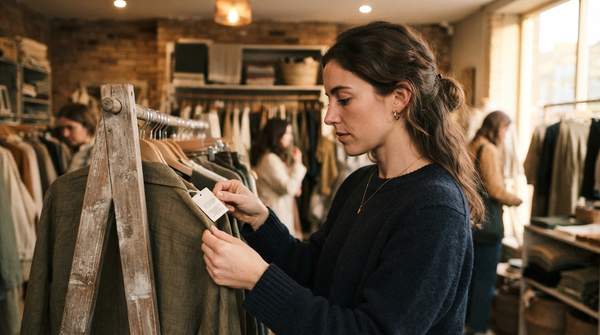
Offline, the most reliable venues are the ones where designers show their work directly. Guidance from the community organization behind Local Eco recommends exploring local markets, boutiques, and online directories dedicated to independent and sustainable fashion. Chin Mun Lee points to the same categories, adding fashion shows and pop-up shops as opportunities to meet designers face to face and see craftsmanship up close.
Online, the search starts where independent creators showcase their work. Advice published by ETHOS CONCEPT recommends starting on Instagram, TikTok, and Pinterest, where most independent creators display their portfolios. Many designers also run their own online stores, some offering shipping or in-store pick-up. When evaluating a designer online, look for transparency about how and where their pieces are made—clear manufacturing information helps you understand what you are supporting.