For every $100 spent at a local boutique, $68 circulates back into the community, a stark contrast to the $43 retained from national chain purchases, according to Choosejust. The economic disparity shows how consumer choices impact local prosperity in 2026, representing a nearly 60% greater retention rate for local businesses.
We often choose the convenience of national chains. Yet, local fashion designers and boutiques offer a far greater return in cultural identity and economic retention, preventing a substantial loss of wealth for our communities.
Communities that foster local fashion develop distinct identities and robust economies. These businesses act as essential economic engines and cultural curators, yet their unique contributions are often undervalued.
More Than Just Clothes: Character and Connection
Local boutiques build strong community ties, offering unique connection and character that national chains simply can't replicate. They serve as vital hubs for social interaction and local expression, according to Best Version Media, each developing a distinct personality that reflects its neighborhood.
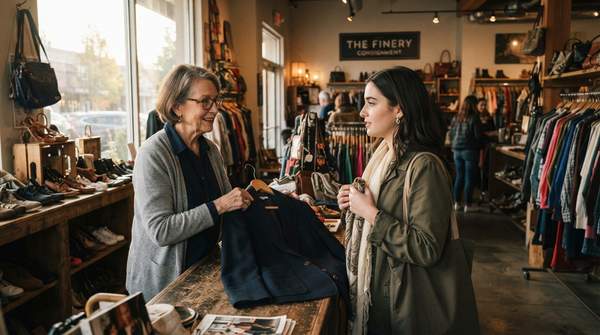
A visit to a local fashion boutique is more than just shopping. It's an experience, a chance to engage with owners and find items with a story. The personalized approach fosters a sense of belonging among us.
These businesses prioritize genuine connection and community value over mere transactional convenience. They celebrate individual style, directly enriching our area's cultural fabric, a stark contrast to the standardized offerings of larger retailers.
Weaving Heritage into Modern Style
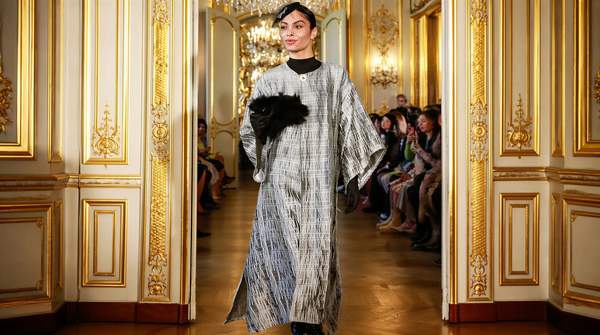
Chinese Indonesian designer Ruth Hadinjoto shows how local fashion preserves cultural identity. She skillfully blends the traditional batik process with contemporary styles, according to Lote Agency. Her designs often feature classic motifs like batik Megamendung and batik Lasem.