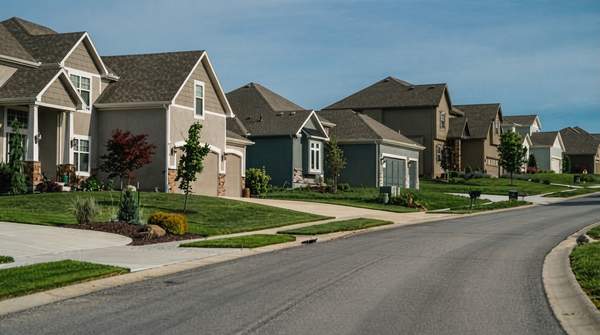
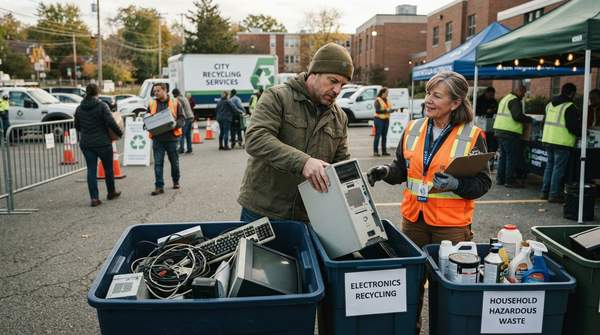
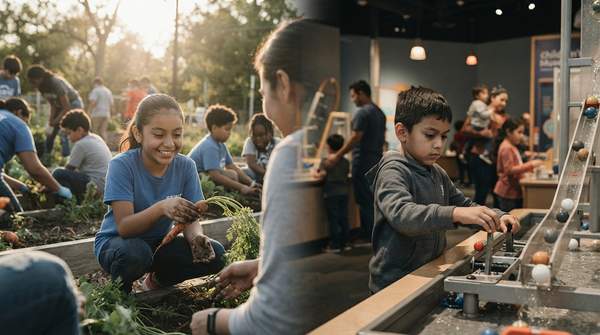
This year, a quiet but powerful cultural shift is taking place on our lawns, in our parks, and across our front porches. According to 2026 data from the event platform Eventbrite, Americans are embracing unplugged, outdoor gatherings with remarkable enthusiasm. Bookings for picnics have surged 215% year-over-year, while potlucks and community gardens are also seeing significant growth. This isn't just a nostalgic return to simpler times; it's a hyper-intentional response to a documented national problem. A landmark 2026 report from the US Chamber of Connection found that 52 percent of Americans are considered at risk of social disconnection, a crisis that communities are now actively working to reverse, one block party at a time.
The Search for Proximity
The craving for genuine, in-person community is palpable. Eventbrite's analysis points to a desire for proximity, a feeling of belonging that digital spaces often fail to provide. This movement is about more than just having fun; it's about rebuilding the social fabric that underpins resilient neighborhoods. Strong, connected communities don't materialize by accident. As the Navigating Solo™ Network highlights, they are intentionally "woven through small, consistent, everyday touchpoints." When neighbors come together, whether for a shared meal or a seasonal festival, they build relationships that can serve as a crucial buffer during difficult times, fostering a collective sense of security and belonging.
Choosing Your Connection Path: An Intentional Gathering Framework
Responding to this call for connection doesn't require a grand plan. The key is to match the type of gathering to your personal goals and comfort level. Whether you're looking for a casual way to meet the people on your street or a space for deeper conversation, there is an approach that fits. This framework categorizes gatherings into three types based on their primary goal, helping you choose where to start.
Type 1: Fostering Casual Belonging
The goal here is to create easy, low-pressure opportunities for interaction. These are the "micro-actions" that build familiarity and a sense of shared place without demanding deep personal investment. Think of them as the foundational layer of community. According to Eventbrite's 2026 data, events like open-air shared meals and simple park blanket gatherings are surging precisely because they offer a radical act of connection in a low-stakes environment. Celebrating an occasion like National Good Neighbor Day on September 28 can provide a natural excuse to organize a simple potluck or block party, turning strangers into familiar faces.
Type 2: Achieving a Shared Purpose
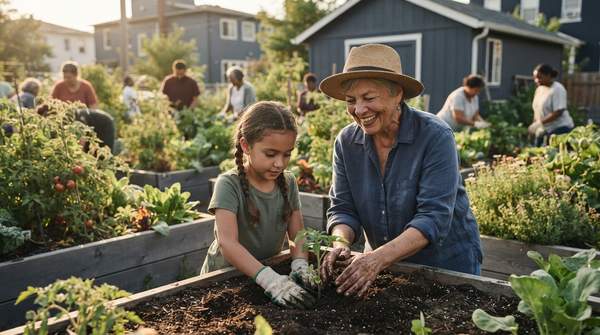
Connection often flourishes when people work toward a common goal. These gatherings are built around a collective effort or a shared interest, allowing relationships to develop organically through action. Eventbrite reports a 32% global increase in community garden events, with neighborhood planting days and green-space workshops providing a "textured style of socializing rooted in collective effort." This could be as simple as organizing a group to clean up a local park or sharing skills with one another, from gardening know-how to bike repair. The shared task becomes the social glue, building bonds through collaboration.
Type 3: Facilitating Structured Dialogue
Sometimes, the goal is to move beyond casual pleasantries and foster genuine understanding. This requires a more structured approach designed for meaningful conversation. The organization Everyday Democracy provides a model for gatherings where the goal isn't agreement but "understanding, respect, and curiosity." These events help people connect across differences by sharing personal stories rather than debating positions. By creating a space for listening with curiosity, you provide a rare opportunity for neighbors to see each other more fully, strengthening the community by building empathy and mutual respect.