When a new grocery store opens nearby, the biggest question isn't just where it is—it's what kind of store it is. Three recent openings show how differently the grocery business can be done: an 85,000-square-foot ShopRite in Jersey City, a Latin-focused Vallarta Supermarkets in Duarte, California, and a small, locally owned Timbers Market in Sheridan, Michigan. Each represents a distinct model, and the one that fits you depends on whether you're chasing one-stop selection, culturally specific ingredients, or a direct local connection.
Introduction: Navigating New Grocery Options
Not every new store is trying to be the same thing. The large chain supermarket bets on breadth—big square footage, many departments, and familiar corporate programs. The specialty ethnic grocer bets on depth, building its identity around a particular cuisine and community. The independent market bets on place: local owners, a repurposed building, and a personal scale chains can't easily copy. Recent news reports on three openings—ShopRite of Hudson Exchange Place, Vallarta's Duarte location, and Timbers Market—make it possible to compare these models concretely. What follows breaks down each model's scale, product focus, and community approach, then assembles them into a decision framework. One caveat: this comparison reflects features reported at each store's opening, and it doesn't compare prices, which vary and weren't detailed in the reporting.
Large Chain Supermarkets: The ShopRite Model
The ShopRite of Hudson Exchange Place, opened by family-owned Inserra Supermarkets, is a state-of-the-art, 85,000-square-foot supermarket in Jersey City, New Jersey. That scale is the model's defining trait. The store was announced with the company's stated commitment "to providing an exceptional shopping experience to the residents of Jersey City, with an even greater selection of fresh foods, prepared meals and convenient services." In practice, that means the aisles hold a bit of everything—produce, seafood, bakery, sushi, deli, and butcher services under one roof. For a shopper, the trade-off is clear: you give up specialization and intimacy, and you get the convenience of a single trip covering nearly any household need. Chain-scale community engagement exists too, but it operates through formal programs rather than face-to-face familiarity.
Specialty Ethnic Grocers: The Vallarta Supermarkets Approach
Vallarta Supermarkets, a family-owned Latin grocery chain operating in California and Arizona, opened its 66th location in Duarte on October 21. The 45,839-square-foot store occupies a former Best Buy space and added 200 new jobs. Vallarta's model is bigger than a corner shop but pointed in a specific culinary direction. "With every new store, our goal is to create a welcoming destination where families can find fresh, high-quality ingredients that reflect the cultures and traditions they love," said Allie Garcia, the company's vice president of marketing. The San Gabriel Valley Tribune's report on the opening describes ready-to-heat tortas de jamon, signature rice and beans, fruit bowls topped with Tajin and chamoy, and a Floreria selling flower arrangements and potted plants. The specialty grocer trades some of the chain's breadth for cultural depth most conventional supermarkets don't stock.
Independent Community Markets: The Timbers Market Experience
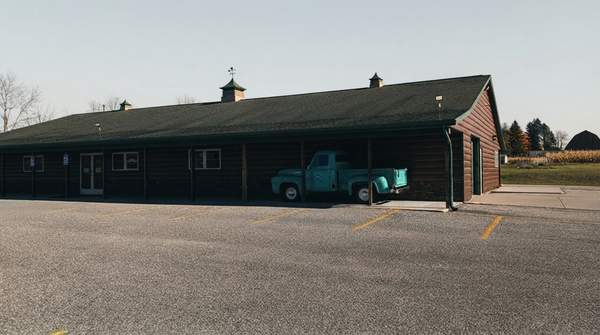
Timbers Market in Sheridan, Michigan, is the smallest of the three examples and the most locally rooted. The building spent years as the Timbers Event Center, where owners Rich and Lori Foreman ran what local reporting described as a go-to gathering spot for hearty meals, weddings, and weekend celebrations. After they retired this summer, new owner Melissa Martin bought the property in late July and pivoted the concept toward a community market. The reopened shop offers pantry staples, produce, a deli counter, hot food, bakery items, and local catering, and is running a soft opening while inventory fills out the shelves. This model's appeal is the personal one: an owner who lives nearby, a building with local history, and a store built around what the immediate community needs rather than a regional or national format.
Grocery Store Models: A Comparative Framework
To put the three models side by side, the details from each opening can be categorized along the same dimensions: scale, product focus, key features, and community approach. Reading across the rows shows how each model answers the same question differently. The chain maximizes breadth, the specialty grocer maximizes cultural specificity, and the independent maximizes local connection. Reading down a column shows what a shopper prioritizing one dimension—say, prepared foods or community role—can expect from each model.
| Store Model | Example Store | Typical Scale | Product Focus | Key Features | Community Approach |
|---|---|---|---|---|---|
| Large Chain Supermarket | ShopRite of Hudson Exchange Place (Jersey City, NJ) | 85,000 sq ft | Broad selection of fresh foods, prepared meals, and convenient services | Patsy's Butcher Shop, Antoinette's Kitchen hot bar and soup bar, Fresh Bake Shop, seafood, sushi bar, full-service deli | Corporate programs; family-owned chain with the Partners In Caring hunger initiative |
| Specialty Ethnic Grocer | Vallarta Supermarkets, Duarte, CA (66th location) | 45,839 sq ft | Latin-focused ingredients and culturally relevant offerings | SushiOro in-store sushi concept, ready-to-heat tortas and signature rice and beans, Floreria flower department | Destination for cultural traditions; 200 new local jobs; festive opening with local performers |
| Independent Community Market | Timbers Market (Sheridan, MI) | Single repurposed local venue | Pantry staples, produce, local needs | Deli counter with toasted subs and paninis, hot food, bakery items, local catering | Local ownership by a nearby resident; former community event space reborn as a market |
The comparison comes with one honest limit: it reflects what each store offered at opening, and none of the reporting detailed pricing, so a price comparison would be guesswork.
Prepared Foods and Specialty Departments: A Culinary Comparison
Prepared foods are where the three models diverge most visibly. ShopRite runs a full-service prepared-foods operation: Antoinette's Kitchen offers freshly prepared meals, a hot bar, and a soup bar, complementing Patsy's Butcher Shop's custom cuts, a Fresh Bake Shop, a sushi bar, and a full-service deli. Vallarta's Duarte store counters with its own in-house culinary identity, debuting SushiOro, a hand-rolled sushi concept with flavors developed by the grocer's in-house chefs, alongside ready-to-heat Latin staples like tortas de jamon and its signature rice and beans. Timbers Market plays a simpler game: a deli counter firing up fresh toasted subs and paninis, plus hot food and bakery items. The pattern for shoppers is that department count tracks scale—full-service kitchens at the top end, a focused counter at the independent level.
Smaller independents can still build ambitious specialty cases, though the evidence comes from a different store. When an urban grocer in Colorado Springs prepared a similar venue-to-market conversion, its operator planned a butcher case he called "pretty dynamic," stocking yak and rabbit alongside elk, beef, and pork. That's a reminder that the independent model's product focus is set by the owner's vision, not a corporate template.
Community Connection: More Than Just Shopping
Each model connects with its community, but through different channels. The chain's connection is programmatic: ShopRite stores, as family-owned businesses, established the Partners In Caring program in 1999, a hunger-fighting initiative the program says supports more than 2,200 charities and has donated over $48 million to soup kitchens, food pantries, homeless shelters, and senior centers. The program also engages vendors, associates, and customers directly, including through "Help Bag Hunger" fund-raising events in stores. Vallarta's connection is built into the product mix—ingredients that reflect customers' cultures and traditions—and into visible local presence, like the folklorico dancers and the Duarte High cheer team performing at opening.
Timbers Market's connection is the most literal: the building itself was a community landmark, and the new owner turned it back into a neighborhood resource. The trade-off is that a chain's programs operate at scale while a small market's connection is face-to-face.
Choosing Your Next Grocery Store
Local residents can choose a new grocery store by aligning their shopping priorities (e.g., broad selection, specialty items, local connection) with the distinct model of the store. If one-trip convenience and the widest department range matter most, the large chain model fits. If you cook a specific cuisine or want culturally specific prepared foods, the specialty ethnic grocer delivers offerings conventional stores typically don't carry. If you want to support a neighbor and shop a place with local history, the independent market is the match. The measurable indicator of whether you chose well is a resident's satisfaction with their chosen grocery store's product variety, prepared food options, and perceived community involvement—so test your pick against those three dimensions on your next few visits before settling on a regular store.
Sources
- Andnowuknow
- Vallarta Holds Festive Opening For New Duarte, CA, Store — The Shelby Report
- New Grocery Store and Fresh Deli Opening in Former Montcalm County Restaurant — 97.9 WGRD
- Duarte gives new Vallarta’s supermarket a spirited welcome — San Gabriel Valley Tribune
- Home - ShopRite Partners In Caring
- CPR