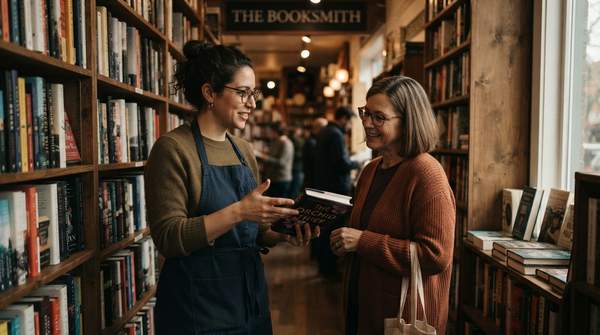
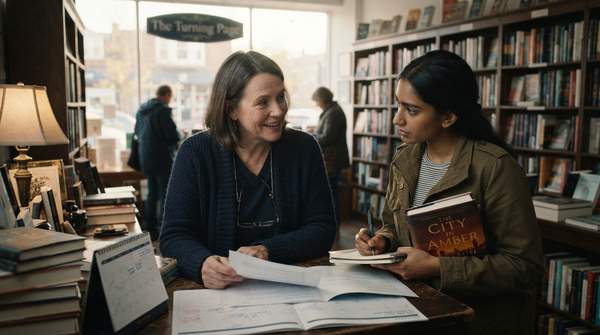
In a city where Amazon delivers in hours, one tiny bookstore in Brooklyn, specializing solely in urban planning and architecture, achieved a 20% revenue increase last year. A 20% revenue increase directly defies the conventional wisdom that broad selection and online convenience are paramount in modern retail, showcasing a unique path to success.
Online giants offer unparalleled convenience and a vast selection, but independent bookstores are flourishing by providing hyper-curated experiences and community hubs that digital platforms cannot replicate. This tension between infinite digital choice and focused physical presence shapes today's literary market.
As readers increasingly value authenticity, curated discovery, and local connection, highly specialized independent bookstores are likely to continue carving out resilient niches, potentially influencing how even larger retailers approach community engagement and collection strategy.
Independent bookstores are thriving. Despite a 20% decline in physical locations between 2000 and 2010, they saw a 49% increase from 2009 to 2018, reports the American Booksellers Association. A 49% increase defies the fact that online book sales now capture over 60% of the market, with indie revenue still growing by 5% annually in the last five years, Publishers Weekly notes. A Book Industry Study Group survey found 70% of customers visit for 'curated selection' and 'community events,' often prioritizing these over price. Independent bookstores are transforming into vital cultural and social hubs, monetizing unique experiences digital platforms cannot replicate.
The Curators of Culture: Our Top 5 Picks
This analysis of top independent bookstores with unique collections in 2026 reveals distinct strategies for success, suggesting a blueprint for other niche retailers.
1. The Last Bookstore
Los Angeles's The Last Bookstore isn't just a shop; it's an experience. With its 'book labyrinth' and art crafted from recycled books, it draws over 10,000 visitors monthly, the LA Times reports. An immersive environment proves that a bookstore can be a destination, not just a retail space, even if its broad collection can sometimes feel less focused.